


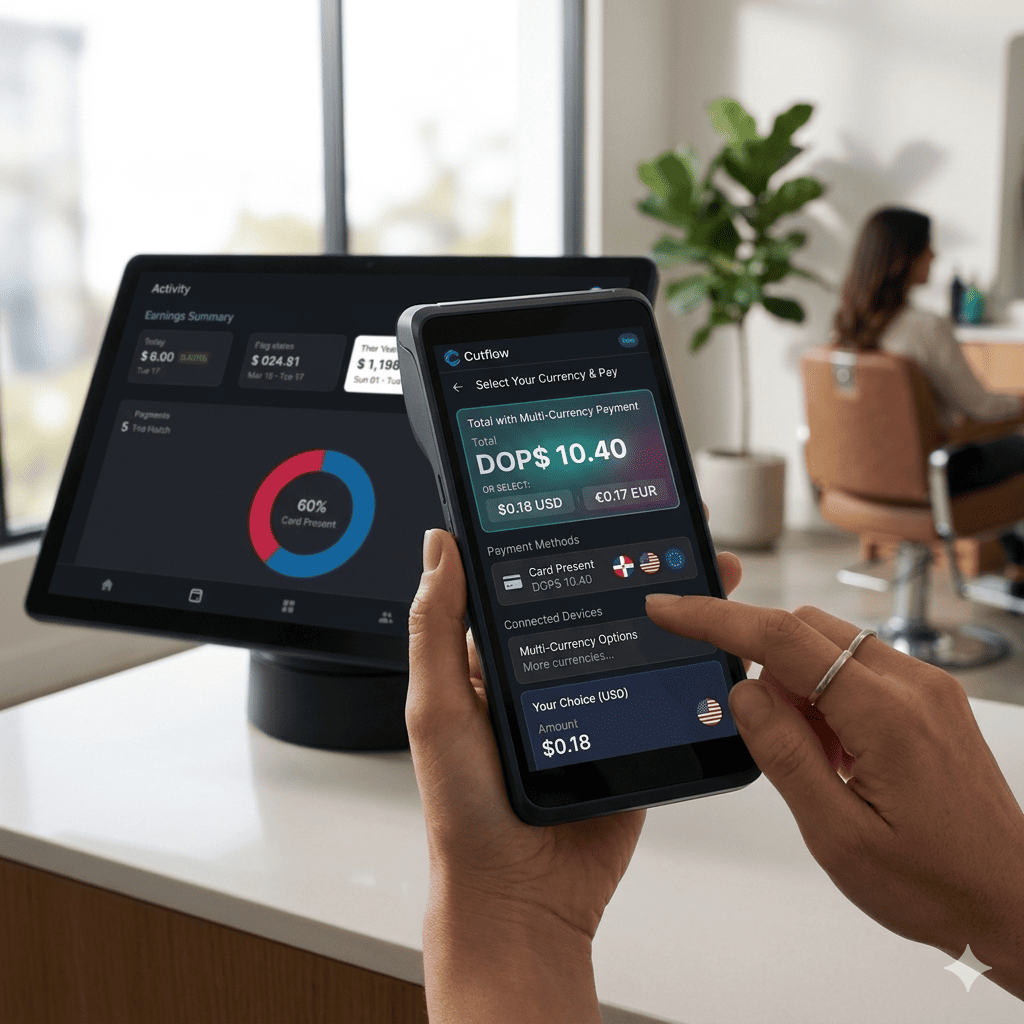
Expanding globally opens new revenue opportunities — but it also introduces new complexity.
One of the most critical components of international growth is how you handle payments across different currencies. A poor multi-currency strategy can increase friction, reduce trust, and shrink margins.
A strong one, however, can accelerate global expansion and improve customer experience at scale.
In this guide, we’ll explore how businesses can design effective multi-currency strategies for sustainable international growth.
Why Multi-Currency Support Matters
When customers shop internationally, they expect to:
• See prices in their local currency
• Avoid unexpected conversion fees
• Pay using familiar local methods
• Trust transparent pricing
Displaying prices only in one currency creates uncertainty. Uncertainty reduces conversions.
Localization is no longer optional — it’s expected.
1. Localize Pricing for Each Market
Showing prices in the customer’s local currency increases trust and clarity.
Benefits include:
• Higher conversion rates
• Reduced cart abandonment
• Better pricing transparency
• Improved customer confidence
Customers are more likely to complete a purchase when they clearly understand what they’re paying.
2. Choose Between Dynamic and Fixed Exchange Rates
There are two main approaches:
Dynamic exchange rates
Prices update automatically based on real-time currency fluctuations.
Fixed exchange rates
You define your own conversion rate for pricing stability.
Each model has trade-offs:
• Dynamic rates reflect market reality
• Fixed rates provide predictable margins
The right choice depends on your pricing strategy and risk tolerance.
3. Protect Margins Against Currency Volatility
Currency fluctuations can impact profitability.
To manage risk:
• Add small FX buffers to pricing
• Monitor exchange rate trends
• Use localized pricing tiers
• Review margins by region regularly
Without a currency strategy, global expansion can silently erode profits.
4. Optimize Settlement Strategy
Accepting multiple currencies is one thing. Settling funds efficiently is another.
Consider:
• Settling in local currency vs. base currency
• Minimizing FX conversion fees
• Using local acquiring banks
• Reducing cross-border processing costs
Optimized settlement improves both cash flow and profitability.
5. Support Local Payment Preferences
Currency localization alone isn’t enough.
Different regions prefer different payment methods:
• Europe — digital wallets and bank transfers
• Asia — QR and mobile payments
• Latin America — installment payments
• North America — credit cards and wallets
Combining multi-currency support with local payment methods dramatically improves adoption.
6. Simplify Cross-Border Checkout Experience
International customers are sensitive to friction.
Ensure:
• Transparent tax and duty calculations
• Clear shipping cost breakdown
• Local language support
• Mobile-optimized checkout
The goal is to make international purchases feel local.
7. Monitor Regional Performance
Global expansion requires data-driven decisions.
Track:
• Conversion rate by country
• Average order value by currency
• FX impact on revenue
• Payment success rates per region
Understanding performance at a regional level allows you to refine pricing and payment strategies.
The Competitive Advantage of Smart Multi-Currency Infrastructure
Modern payment systems should allow businesses to:
• Automatically detect customer location
• Display localized pricing instantly
• Handle FX conversions efficiently
• Consolidate global reporting
• Scale without rebuilding infrastructure
The right infrastructure turns global complexity into competitive advantage.
Final Thoughts
Global expansion is not just about reaching new markets — it’s about serving them correctly.
A thoughtful multi-currency strategy helps businesses:
• Increase international conversions
• Protect margins
• Improve customer trust
• Scale operations confidently
When payments feel local, growth becomes global.
Ready to scale internationally?
Cutflow helps businesses manage multi-currency payments with flexible, secure, and scalable infrastructure built for global expansion.
Because the future of commerce is borderless.
