


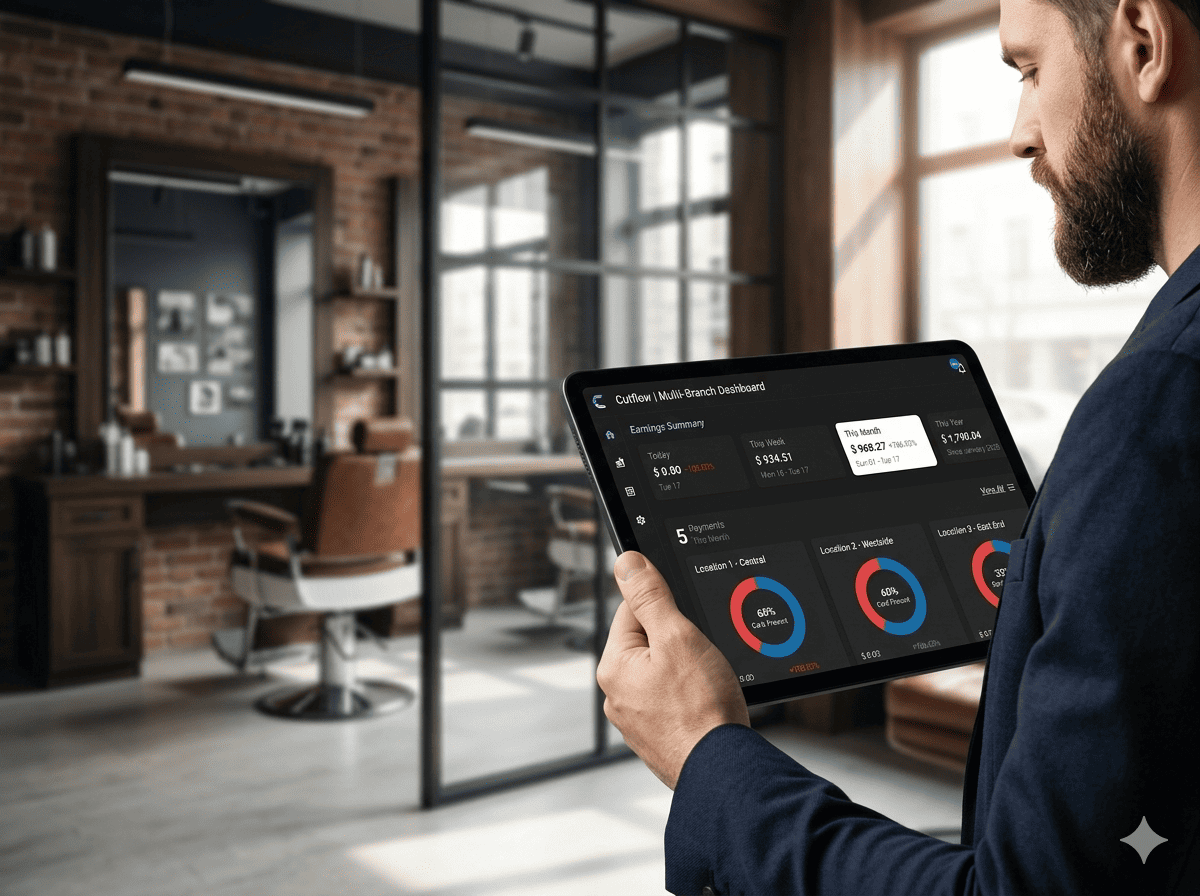
Expanding from one location to multiple stores is a milestone for any business. But growth brings complexity. What once felt manageable can quickly turn into operational chaos — inconsistent inventory, disconnected reporting, staff misalignment, and lost visibility.
If you’re running restaurants, retail stores, or service-based businesses across multiple locations, control becomes your most valuable asset.
Here’s how to scale operations without losing it.
The Hidden Cost of Multi-Location Growth
Opening a second or third location often exposes operational gaps:
- Inventory discrepancies between stores
- Inconsistent pricing or promotions
- Manual reporting and delayed financial visibility
- Staff performance differences
- Limited oversight across branches
Without centralized systems, each new location adds friction instead of efficiency.
Growth should increase leverage — not complexity.
Centralized Visibility Is Non-Negotiable
The foundation of scalable operations is real-time centralized visibility.
You should be able to:
- Monitor sales across all locations from one dashboard
- Compare performance between branches instantly
- Track inventory levels across warehouses and stores
- Identify top-performing products per location
- Detect anomalies before they become losses
When leadership relies on spreadsheets or delayed reports, decisions are reactive instead of strategic.
A unified operational dashboard changes that.
Final Thoughts
Running multiple locations without centralized control leads to fragmentation.
But with the right operational system in place, growth becomes structured, measurable, and scalable.
If your business is expanding beyond a single location, now is the time to invest in operational intelligence — not just more stores.
Because scale without control isn’t growth.
It’s risk.
