


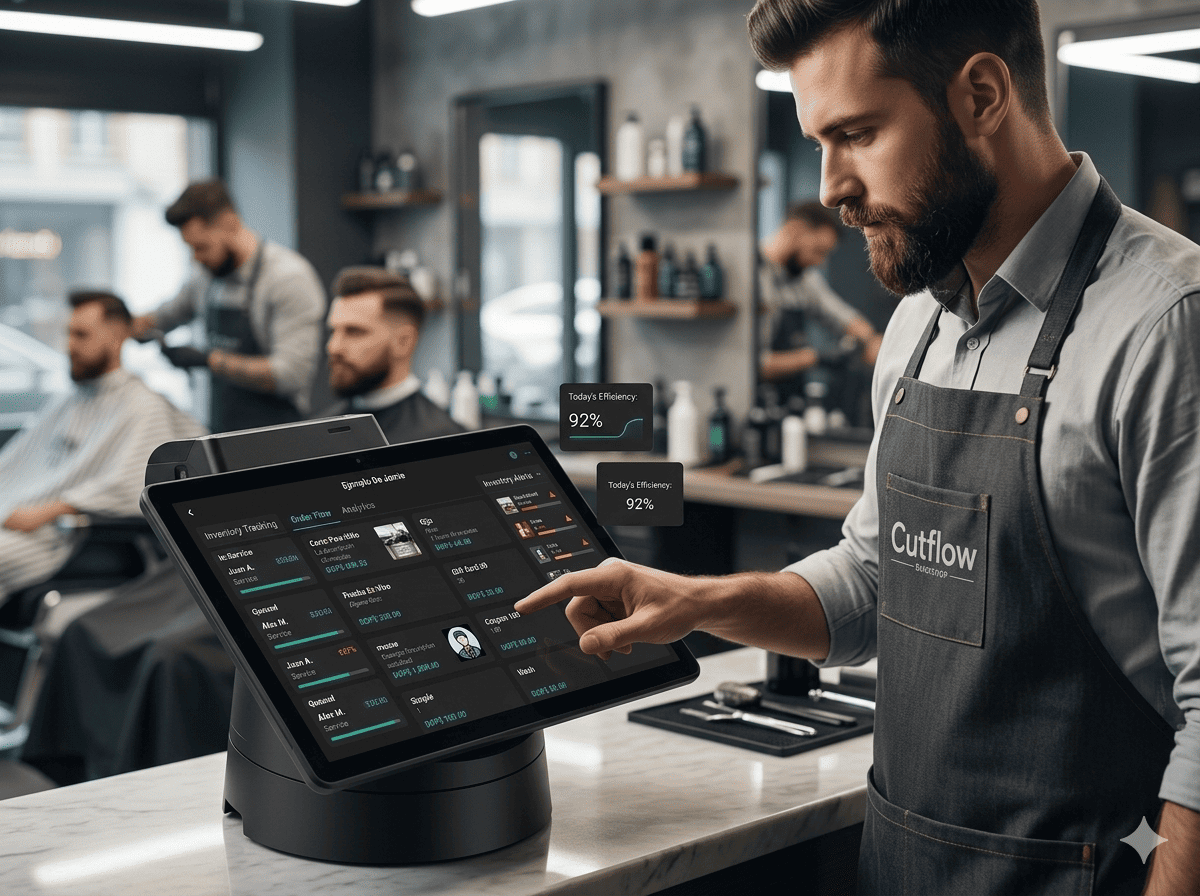
Proin faucibus nec mauris a sodales, sed elementum mi tincidunt. Sed eget viverra egestas nisi in consequat. Fusce Operational waste is one of the most underestimated profit killers in restaurants and retail businesses. It’s not just about spoiled inventory or damaged goods. Waste shows up in hidden places — inefficient processes, pricing inconsistencies, manual errors, and poor visibility.
As margins tighten and competition increases, reducing operational waste becomes a growth strategy — not just a cost-saving measure.
Here’s how modern businesses can identify and eliminate operational inefficiencies at scale.
What Is Operational Waste?
Operational waste goes beyond physical loss. It includes:
- Inventory mismanagement
- Over-ordering or under-ordering
- Order entry mistakes
- Manual reconciliation errors
- Inefficient staff workflows
- Untracked shrinkage
- Poor demand forecasting
Each small inefficiency compounds over time, quietly eroding profitability.
Inventory Waste: The Silent Margin Killer
In both restaurants and retail, inventory represents capital. When it’s poorly managed, losses multiply.
Common issues include:
- Overstocking perishable goods
- Running out of best-selling products
- Inaccurate stock counts
- Lack of real-time deduction
- No visibility across multiple locations
Without real-time inventory tracking, businesses operate blindly.
To reduce inventory waste, you need:
- Real-time stock synchronization
- Automated low-stock alerts
- Multi-warehouse visibility
- Expiry and batch tracking
- Accurate POS-integrated deductions
When every sale updates inventory instantly, waste decreases dramatically.
Final Thoughts
Reducing operational waste isn’t about cutting expenses randomly. It’s about identifying friction points, eliminating blind spots, and building infrastructure that supports scale.
Restaurants and retail businesses that invest in real-time operational intelligence don’t just reduce waste — they unlock smarter growth.
Because profitability isn’t just about increasing revenue.
It’s about protecting what you earn.
