


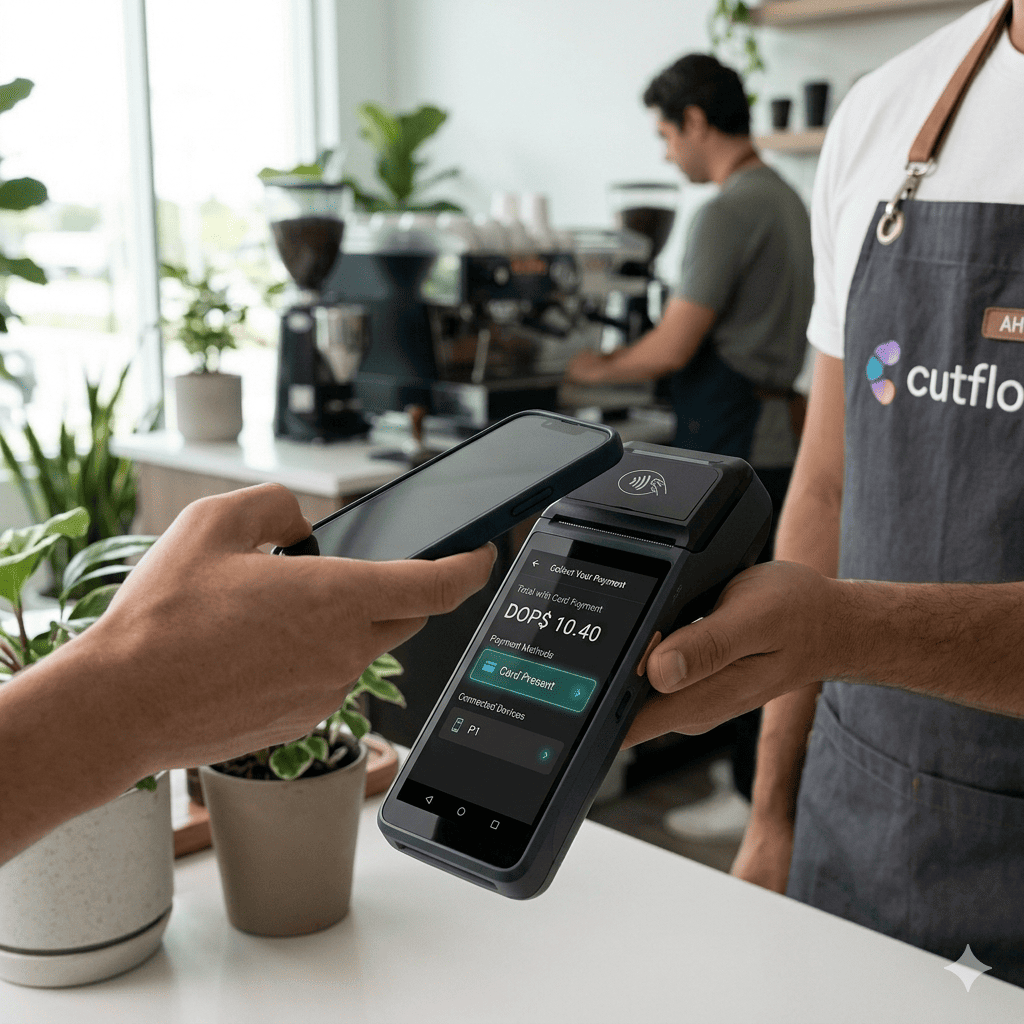
Contactless payments have moved from convenience to expectation. What started as a faster way to pay has evolved into a fundamental shift in how consumers interact with businesses.
Today, speed, security, and seamless experiences define modern commerce — and contactless technology sits at the center of that transformation.
In this article, we explore where contactless payments are heading and what it means for businesses.
From Convenience to Standard
A few years ago, tapping a card felt innovative. Now, it’s normal.
Consumers increasingly expect:
• Instant transactions
• No physical contact
• Minimal checkout friction
• Secure digital authentication
Businesses that fail to meet these expectations risk appearing outdated.
Contactless is no longer a “nice to have.” It’s the baseline.
The Rise of Mobile Wallets
Smartphones are becoming the primary payment device.
Apple Pay, Google Pay, and other mobile wallets are accelerating adoption by offering:
• Biometric authentication
• Tokenized transactions
• One-tap payments
• Seamless integration with apps and online stores
As mobile-first behavior grows, wallets will continue replacing traditional cards in everyday transactions.
Beyond Cards: The Expansion of Tap-to-Pay
Contactless is expanding beyond plastic cards.
We’re seeing growth in:
• Wearable payments (smartwatches, rings)
• QR-based contactless systems
• Tap-to-pay on smartphones for merchants
• NFC-enabled devices across industries
The physical wallet is becoming optional.
Security Will Define the Next Phase
As adoption increases, so does the need for advanced protection.
The future of contactless payments includes:
• Enhanced tokenization
• Real-time fraud detection
• AI-driven transaction monitoring
• Strong customer authentication (SCA)
Security will not slow payments down — it will operate invisibly in the background.
Embedded and Invisible Payments
One of the biggest trends shaping the future is embedded payments.
Think about:
• Ride-sharing apps
• Subscription services
• In-app purchases
• Automated billing systems
Payments happen without interrupting the user experience.
The future of contactless isn’t just about tapping — it’s about eliminating checkout entirely.
The Growth of Omnichannel Commerce
Consumers move fluidly between online and offline environments.
The future demands:
• Unified payment systems
• Consistent checkout experiences
• Cross-device transaction continuity
• Real-time payment data synchronization
Businesses need infrastructure that connects physical POS systems, ecommerce, and mobile apps into one ecosystem.
Faster Settlement and Real-Time Payments
Speed doesn’t stop at checkout.
Emerging trends include:
• Instant payment networks
• Same-day settlement
• Cross-border real-time transfers
• Reduced processing delays
As real-time infrastructure improves globally, customer expectations for immediate processing will increase.
What This Means for Businesses
To stay competitive, businesses must:
• Support contactless across channels
• Integrate mobile wallet capabilities
• Invest in secure payment infrastructure
• Reduce checkout friction wherever possible
• Prepare for embedded and invisible payment models
The goal is simple: make paying effortless.
Final Thoughts
Contactless payments are not a temporary trend — they represent the evolution of commerce.
The future is:
• Faster
• Safer
• Invisible
• Mobile-first
Businesses that adapt early will create smoother customer journeys, stronger brand trust, and higher conversion rates.
Ready to embrace the future of payments?
Cutflow helps businesses integrate flexible, secure, and scalable payment solutions designed for the next generation of commerce.
The future is contactless — and it’s already here.
