


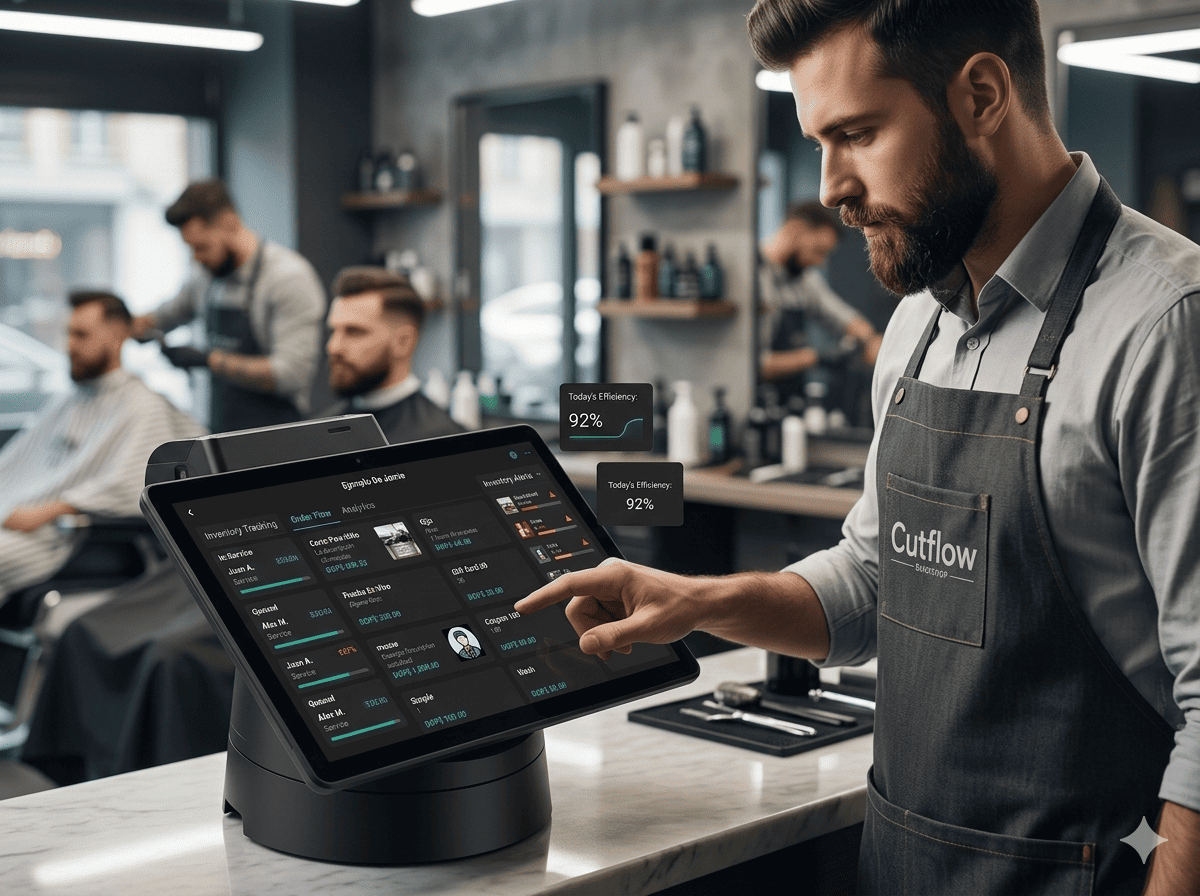
Proin faucibus nec mauris a sodales, sed elementum mi tincidunt. Sed eget viverra egestas nisi in consequat. Fusce Operational waste is one of the most underestimated profit killers in restaurants and retail businesses. It’s not just about spoiled inventory or damaged goods. Waste shows up in hidden places — inefficient processes, pricing inconsistencies, manual errors, and poor visibility.
As margins tighten and competition increases, reducing operational waste becomes a growth strategy — not just a cost-saving measure.
Here’s how modern businesses can identify and eliminate operational inefficiencies at scale.
What Is Operational Waste?
Operational waste goes beyond physical loss. It includes:
- Inventory mismanagement
- Over-ordering or under-ordering
- Order entry mistakes
- Manual reconciliation errors
- Inefficient staff workflows
- Untracked shrinkage
- Poor demand forecasting
Each small inefficiency compounds over time, quietly eroding profitability.
Inventory Waste: The Silent Margin Killer
In both restaurants and retail, inventory represents capital. When it’s poorly managed, losses multiply.
Common issues include:
- Overstocking perishable goods
- Running out of best-selling products
- Inaccurate stock counts
- Lack of real-time deduction
- No visibility across multiple locations
Without real-time inventory tracking, businesses operate blindly.
To reduce inventory waste, you need:
- Real-time stock synchronization
- Automated low-stock alerts
- Multi-warehouse visibility
- Expiry and batch tracking
- Accurate POS-integrated deductions
When every sale updates inventory instantly, waste decreases dramatically.
Order Errors & Operational Friction
In restaurants, small order errors create large operational disruptions:
- Incorrect items sent to the kitchen
- Split bill mistakes
- Modifier mismanagement
- Delayed table turnover
In retail, similar friction appears as:
- Mispriced products
- Barcode scanning errors
- Manual overrides at checkout
These errors create:
- Customer dissatisfaction
- Refunds and chargebacks
- Increased labor time
- Reduced operational efficiency
Automation and structured order logic reduce human error significantly.
The Cost of Manual Processes
Manual workflows scale poorly.
Examples of manual waste:
- End-of-day reconciliation done by hand
- Spreadsheet-based reporting
- Manual stock transfers between locations
- Paper-based approval flows
As the business grows, manual work increases operational drag.
Modern systems should automate:
- Revenue reconciliation
- Transaction syncing
- Inventory updates
- Staff reporting
- Performance tracking
Automation reduces both errors and labor cost.
Poor Visibility Across Locations
Multi-location businesses face an additional layer of waste: lack of centralized visibility.
Without unified dashboards, leadership struggles to answer:
- Which location has the highest shrinkage?
- Where are margins underperforming?
- Which products move slowly by region?
- Are staffing costs aligned with sales volume?
Operational waste thrives in the absence of visibility.
Centralized intelligence turns raw data into actionable insight.
Smart Inventory & Demand Forecasting
Operational waste often stems from reactive decision-making.
Instead of:
- Ordering based on intuition
- Guessing demand patterns
- Relying on historical averages
Businesses should use:
- Real-time sales data
- Trend analysis
- Seasonal comparisons
- Automated stock threshold triggers
Data-driven forecasting reduces both excess stock and missed sales opportunities.
Reducing Waste Through Operational Discipline
Operational efficiency isn’t about cutting corners — it’s about building structure.
Key practices include:
- Standardized workflows across locations
- Clear role-based permissions
- Automated reporting
- Real-time operational dashboards
- Integrated POS and inventory systems
When operations are unified under one intelligent system, waste becomes visible — and manageable.
The Competitive Advantage of Lean Operations
Businesses that control operational waste gain:
- Higher margins
- Faster service times
- More accurate reporting
- Reduced labor inefficiencies
- Stronger financial predictability
In competitive markets, operational efficiency becomes a strategic advantage — not just an internal optimization.
Final Thoughts
Reducing operational waste isn’t about cutting expenses randomly. It’s about identifying friction points, eliminating blind spots, and building infrastructure that supports scale.
Restaurants and retail businesses that invest in real-time operational intelligence don’t just reduce waste — they unlock smarter growth.
Because profitability isn’t just about increasing revenue.
It’s about protecting what you earn.
